Who is Dr. Rudolf Hauschka?
A life of science
Dr. Rudolf Hauschka's most important scientific legacy is, without doubt, his development in 1929 of a process for obtaining water-based medicinal plant extracts without using alcohol as a preservative. Introduced in 1935 for the production of WALA preparations, this process completely changed the pharmaceutical norms and is now codified in the German Homeopathic Pharmacopoeia (HAB) as a recognised process for drug production Plant extracts obtained in this way have also been working effectively in Dr. Hauschka Skin Care products since 1967.
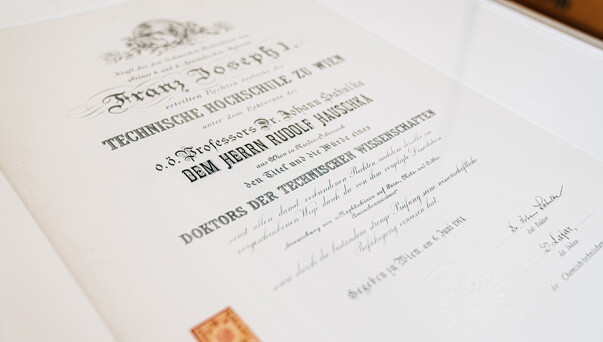
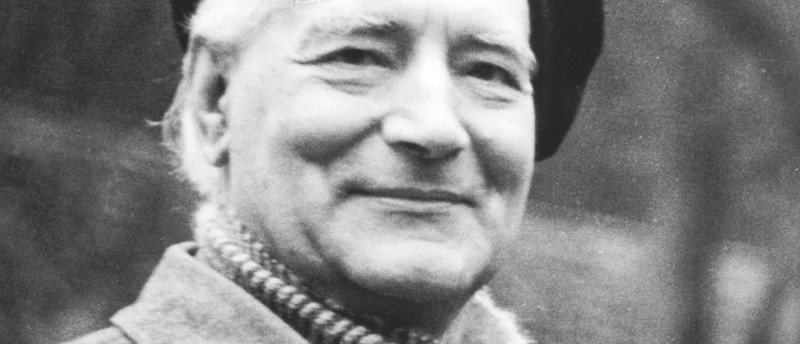
Rudolf Emil Hauschka was born on 6 November 1891 in Vienna as the first of three children. Rudolf Hauschka’s affinity with nature and his enthusiasm for everything material ran in his blood: his great-grandfather was a shepherd and his father ran a blacksmith's shop, which he had grown into a galvinising business. Rudolf Hauschka’s thirst for scientific knowledge developed at the age of 14. He was particularly fond of spherical trigonometry and the mathematical hyperbola – an open curve that shows how one of its branches can disappear into infinity and come back into vision as the second branch. “In between lies a realm of the invisible, perhaps beyond the reach of our thinking,” wrote Hauschka in his autobiography. Hauschka developed the belief that there was a world beyond that which we experience with our senses, and that this was a driving force behind all life. He considered it his duty to tap into this phenomenon and make it accessible to people via pharmaceuticals. Rudolf Hauschka studied technical chemistry from 1909 to 1913 at the Imperial and Royal University of Technology in Vienna (now TU Wien). In 1914, he gained his doctorate with research on anilidoquinone dyes.
After the war, he worked as head chemist at the Pharmazeutische Industrie A.G. in Klosterneuburg near Vienna before relocating to Mannesmann Motorenwerken in Cologne. He later founded his own chemicals company, Chemische Fabrik Dr. R. Hauschka GmbH, which he ran out of a corrugated iron shed in Cologne-Porz. Hauschka started out producing aluminium acetate, seed dressing, lanolin, and some herbal medicines.
But it was making the personal acquaintance of the founder of anthroposophy, Rudolf Steiner, that had the most decisive influence on Hauschka’s future career as a scientist and ultimately led to the development of the WALA manufacturing process. Steiner’s statement “rhythm carries life” encouraged Hauschka to study extraction methods that took into account the polarities of nature, such as rest and movement, warmth and cold, and day and night. This approach led to him producing the first water-based medicinal plant extracts to display long-lasting stability without the addition of alcohol.
But he didn’t stop there. Throughout his life, Rudolf Hauschka remained a seeker, an explorer of nature. Two years before his death, he launched a new product line designed for the health and care of the largest human organ: the skin. This was the birth of Dr. Hauschka Skin Care.
Dietetics and diagrams
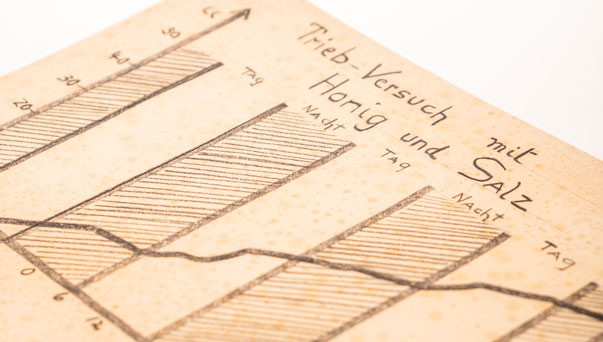
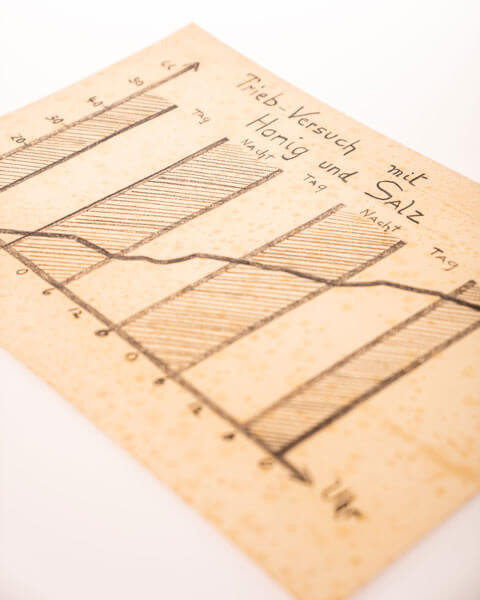
Maintaining human health was the central objective of Rudolf Hauschka’s research. In addition to pharmaceuticals, he was therefore also interested in the topic of healthy nutrition. One of his experiments was “honey-salt bread”, where the only raising agent was the wild yeast contained in the honey. His conviction that our health was significantly influenced by our diet was far ahead of his time.
Handbook on cosmetic chemistry
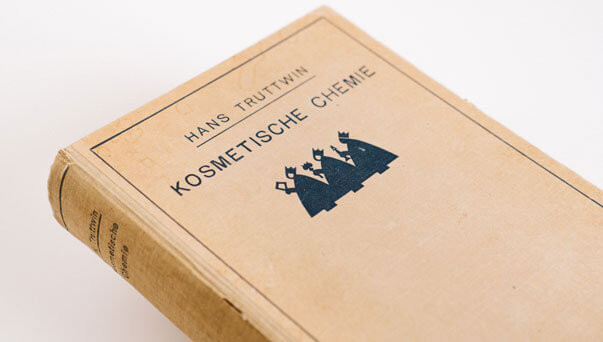
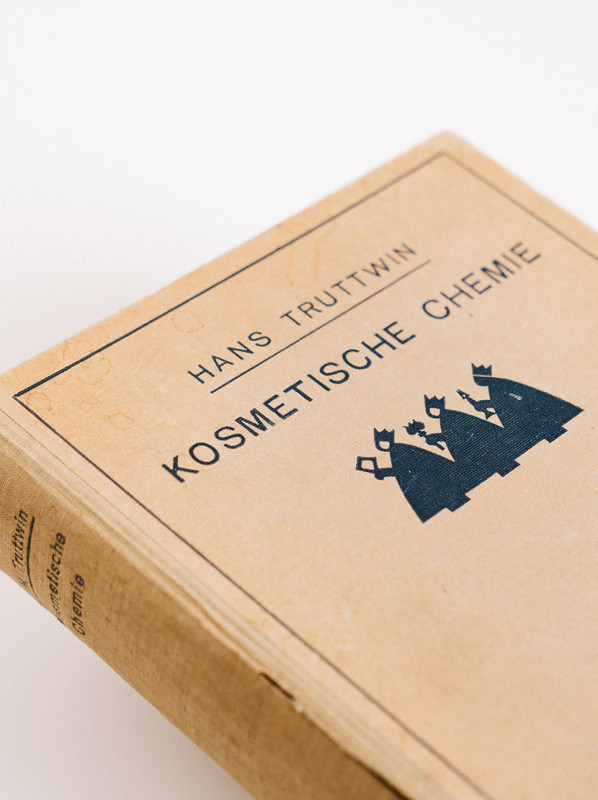
Rudolf Hauschka was one of the authors who contributed to the Handbuch der Kosmetischen Chemie (handbook on cosmetic chemistry), published in Leipzig in 1920. His contribution was on the subject of mineral drugs and metals. He wrote this during his time at the Pharmazeutische Industrie A.G. in Klosterneuburg near Vienna. There are also some patents registered by the company from this time that bear Hauschka’s name.
Written correspondence
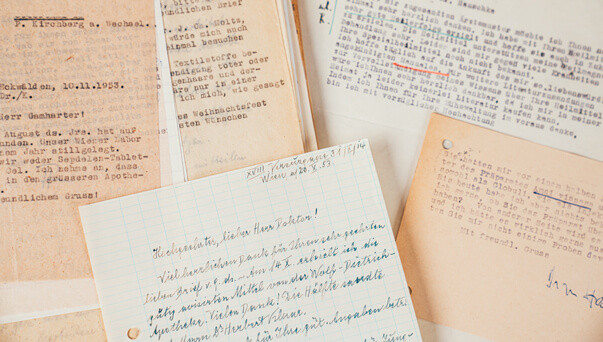
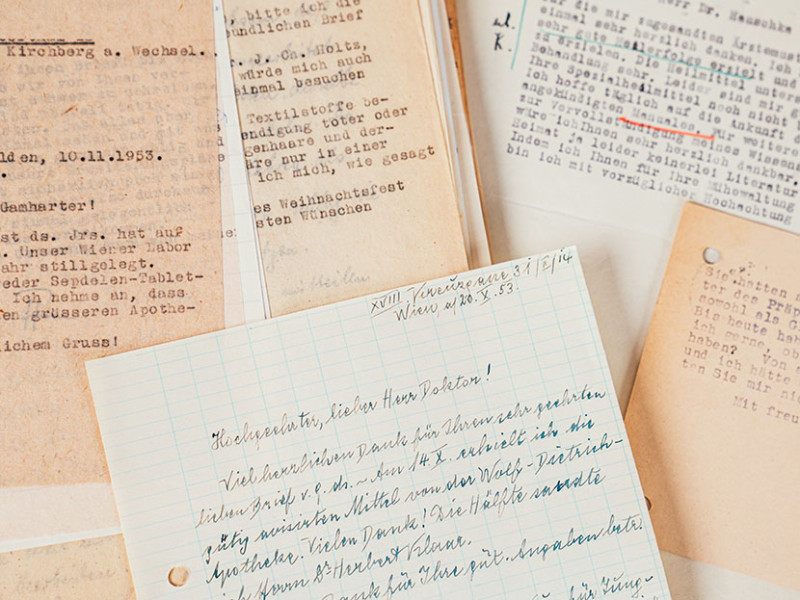
Rudolf Hauschka was not only a passionate researcher, but also a keen writer. His estate includes three metres of shelf space filled with his writings, many of which are correspondences with doctors – including cosmetologist Elisabeth Sigmund, with whom he developed Dr. Hauschka Skin Care in 1967.
Laboratory notebooks and mother tinctures
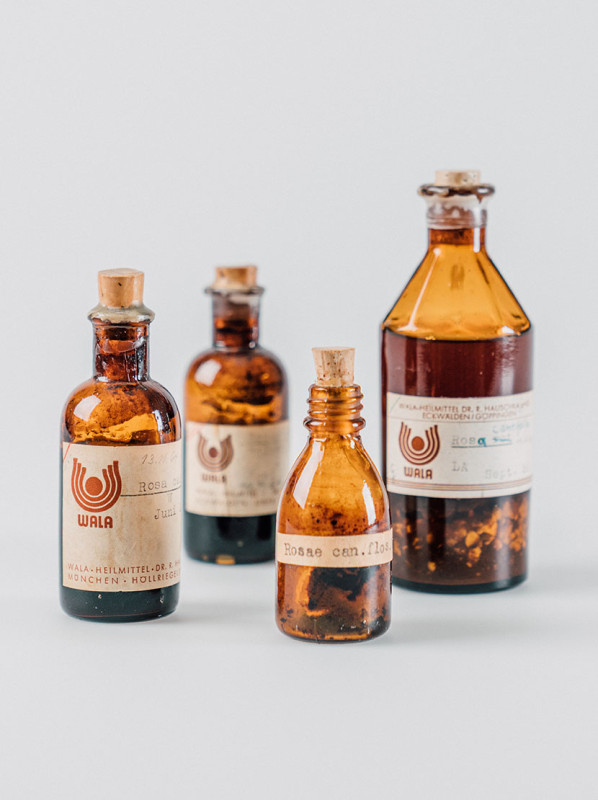
Rudolf Hauschka meticulously documented his research results in laboratory notebooks. These also contain early formulations for skin creams. Many of his medicinal plant extracts made in the 1950s and 1960s are still stable today, even though they contain no preservatives like alcohol.
Dissertations / doctoral thesis
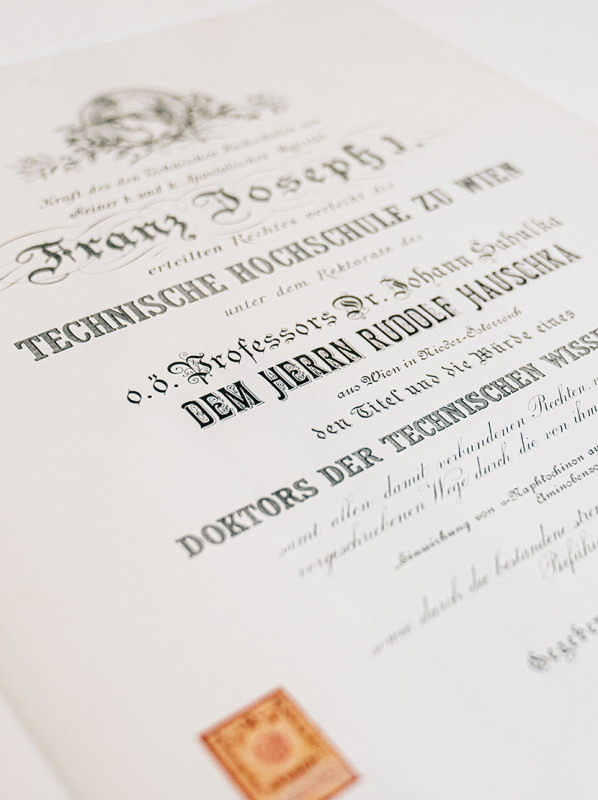
From a young age, Rudolf Hauschka was eager to understand the world of nature – and chemistry gave him the tools to do so. On 6 June 1914, he received his doctorate (Dr. techn.) from the Imperial and Royal University of Technology in Vienna for his research on anilidoquinone dyes. His wife Margarethe was a doctor of medicine and also contributed her knowledge to WALA’s work.
Treasures from our archive